An energy-monitoring smart plug can help answer a narrow question: how much electricity did the connected load use during a recorded period? To turn that into a useful cost estimate, keep the energy reading, date range and applicable unit rate together. A live watt reading is not the same as a monthly energy total.
Separate watts from kilowatt-hours
Watts describe power at a moment. Kilowatt-hours describe accumulated energy. For a hypothetical steady 20-watt load operating for five hours, the calculation is 20 × 5 ÷ 1,000 = 0.1 kWh. Real appliances can change their draw, so an integrated reading over the relevant period can be more useful than multiplying a single moment’s power.
TP-Link’s energy-monitoring guide describes consumption history and estimated cost using a per-kWh rate. Feature availability depends on the model. Confirm your plug actually measures energy rather than assuming every smart plug does.
Use a matched period
Record the reading’s start and end dates, appliance identity, operating conditions and whether monitoring was interrupted. A partial week should not be labeled a measured month.
Imagine a plug reports 12 kWh over an observed 30-day period and the applicable energy rate is an invented $0.20 per kWh. Multiplication gives $2.40. These are teaching numbers, not typical appliance consumption or a current utility tariff.
Keep the estimate separate from the bill
The $2.40 calculation represents only the energy charge at the assumed rate. It does not automatically include fixed service charges, taxes, time-varying pricing or every other line on a bill. Check how your supplier describes the rate you enter.
If peak and off-peak rates apply, a single blended rate produces an approximation. Do not present it as a precise billed amount unless the consumption timing and applicable pricing have actually been matched.
Compare like with like
Before comparing two periods, note changes in hours of use, settings, occupancy and workload. A lower reading after a holiday does not prove the smart plug saved electricity.
For an original comparison note, record baseline dates/kWh; later dates/kWh; relevant conditions; rate basis; estimated cost; and changes that could explain the difference. Keep measured values separate from projections.
Make the buying decision concrete
If monitoring is the only reason for purchasing a device, first identify a question the data could help resolve. Do not assume the accessory will pay for itself. Confirm appropriate electrical ratings and allowed loads in both products’ instructions; do not put critical equipment under an unsuitable convenience plug.
Read our budget smart-home guide for total setup costs and power-restoration guide for a separate operating question.
Manufacturer guidance checked November 5, 2026. The calculations are hypothetical, not laboratory measurements, utility advice or guaranteed savings.
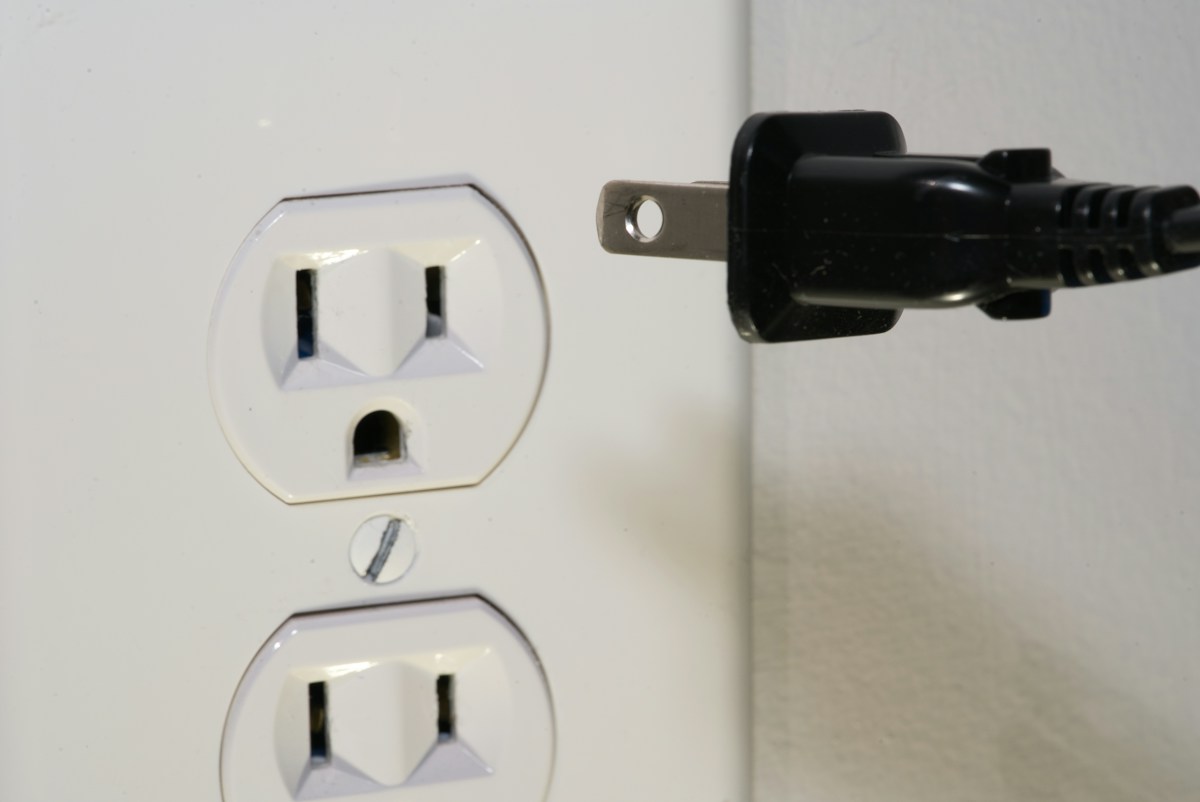
Photo: Clint Patterson on Unsplash. Illustrative stock photograph, not a tested installation or endorsement.