The largest microSD card you can buy is not automatically the right card for a home camera. Start with the exact camera’s supported specifications, then choose capacity and endurance for its intended recording pattern.
Confirm the camera model
Record model, hardware revision and firmware where shown. Open the current manufacturer’s card guidance and the product specification. A capacity supported by one camera should not be assumed for another model from the same brand.
TP-Link’s Tapo and Kasa card guidance recommends checking model-specific capacity and using suitable endurance cards for video monitoring. A familiar brand name alone does not establish the right card type or genuine capacity.
Separate capacity from endurance
Capacity is how much data a card can hold. Endurance concerns repeated writing over time. Read the card manufacturer’s intended uses and the camera maker’s recommendations rather than choosing only the highest advertised transfer speed.
A card marketed for occasional photo transfers may not be the same product as one intended for continuous recording. Compare exact product lines and specifications, not only the logo on the package.
Check what needs preserving
Before formatting or replacing an existing card, identify recordings you need and use the supported export method. Verify saved copies before erasing anything. Formatting is not a harmless troubleshooting step when the card contains the only copy of a recording.
Keep the old card and any export record clearly identified so that recordings from different cameras do not become mixed.
Install and initialize as instructed
Follow the exact camera manual for safe insertion or removal and the supported formatting process. Do not force a card into an uncertain opening or remove it during an operation the manual says not to interrupt.
After initialization, check the app’s storage status. A recognized card is only the first milestone; verify that the intended recording mode is enabled and that a recent recording can be played back.
Do not promise a fixed number of days
Retention depends on recording mode, bitrate, resolution, activity and available capacity. A published example for another model is not a guarantee for yours. Record the actual settings before interpreting an estimated retention figure.
Use a short record: camera/model; supported card specification; installed card; formatting date; recording mode; playback checked; recordings preserved before changes.
Revisit the total cost
Local storage can avoid some cloud costs but still requires compatible equipment and eventual card maintenance or replacement. It also does not automatically provide a separate backup.
Read camera storage costs and why verified clip exports matter for related planning.
Documentation checked November 5, 2026. No card benchmark, recovery service or guaranteed recording duration is claimed.
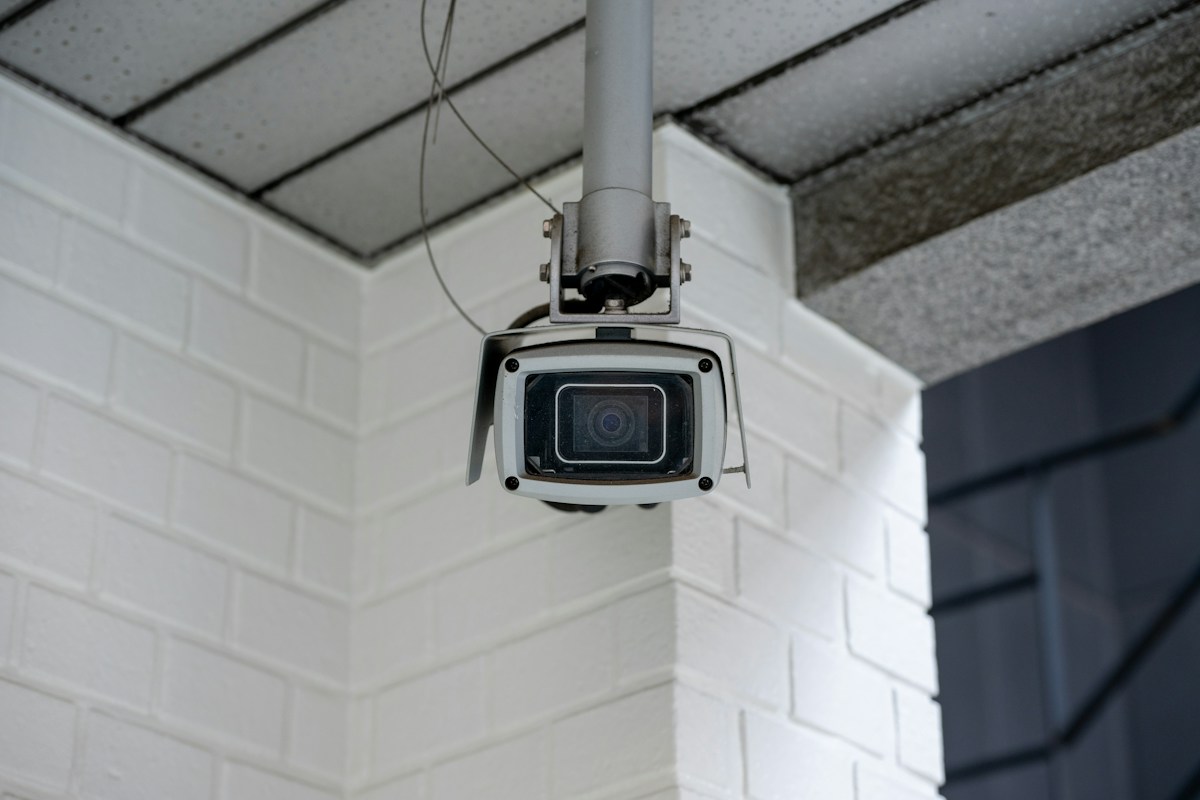
Photo: Turquo Cabbit on Unsplash. Illustrative stock photograph, not a tested installation or endorsement.