A smart bulb can fit your app and still provide the wrong light for the room. Compare brightness and light appearance separately from wireless compatibility. A watt-equivalent label is not the bulb’s actual electricity draw.
Start with lumens
The FTC’s light-bulb shopping guidance explains that lumens describe brightness while watts describe energy use. Use the actual lumen rating when comparing products rather than assuming every bulb marketed as a particular replacement has identical output.
For an existing room, note the bulb you are replacing and whether its light level suited the task. If it did not, copying the old equivalent label does not solve the problem.
Separate actual watts from equivalent watts
Record the product’s actual power rating and stated brightness in different columns. A traditional-bulb replacement description is a comparison aid, not a statement that an LED consumes the old bulb’s power.
For example, an invented comparison could show two bulbs producing the same stated brightness with different actual watt ratings. That information helps compare efficiency on paper; it does not independently verify light distribution, color quality or actual household savings.
Compare color temperature
The same FTC guide explains light appearance or color temperature. Record whether the product offers a fixed white tone, adjustable white range or color effects, and whether that matches the room’s intended use.
A color-changing feature does not establish that every color setting produces the maximum white-light brightness. Read the exact specifications rather than assuming one advertised lumen number describes every mode.
Check physical and fixture compatibility
Confirm base type, bulb shape, dimensions, supply requirements and any restrictions for enclosed fixtures or dimmers. Follow both fixture and bulb instructions.
Do not purchase a connected bulb solely because its base looks similar. A fixture restriction remains relevant even when the app pairing is successful. Avoid stacking adapters or modifying a fixture to force a fit.
Make one room decision at a time
Use a comparison note: room/task; base; allowed dimensions; required lumens; preferred white appearance; actual watts; connection system; fixture restrictions; full price.
If feasible under the retailer’s policies, begin with one suitable bulb rather than outfitting the entire home before checking the result. Describe observations as your own household preference, not a universal ranking.
Keep the controls usable
Plan how people will operate the light. Cutting power at an ordinary wall switch can make a connected bulb unavailable. See our wall-switch troubleshooting guide.
For hubs and connection types, read the smart-bulb connectivity comparison. Product selection needs both lighting fit and compatible control.
Official guidance checked November 5, 2026. This is a specification checklist, not photometric testing, a medical lighting recommendation or a guarantee of energy savings.
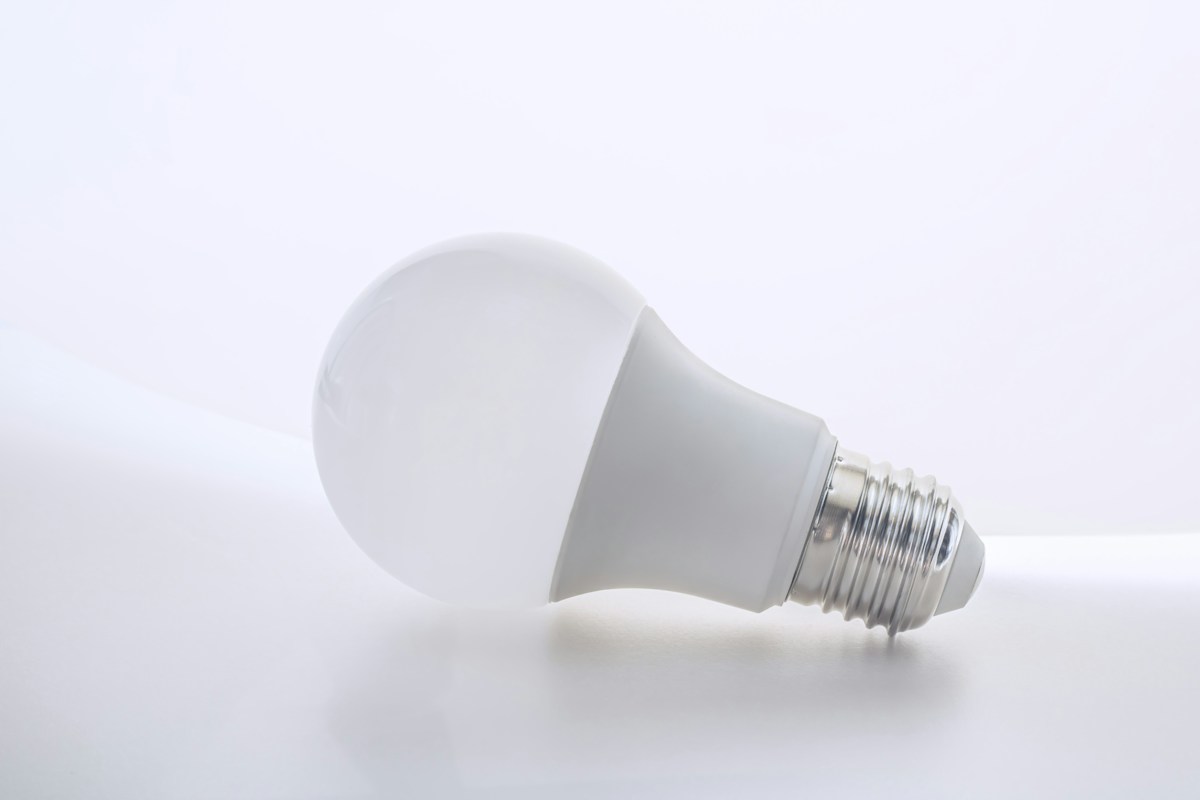
Photo: Ian Talmacs on Unsplash. Illustrative stock photograph, not a tested installation or endorsement.