Skip to content
Home
Blog
Fitness
Lifestyle
Auto Warranty
All Guides
Browse All Articles
Health & Fitness
Lifestyle
Food
Home & Living
Sports
Pets
Cars
Technology & Security
Investing
Politics
General
Contact
x
Home
Blog
Fitness
Lifestyle
Auto Warranty
All Guides
Browse All Articles
Health & Fitness
Lifestyle
Food
Home & Living
Sports
Pets
Cars
Technology & Security
Investing
Politics
General
Contact
Home
Blog
Fitness
Lifestyle
Auto Warranty
All Guides
Browse All Articles
Health & Fitness
Lifestyle
Food
Home & Living
Sports
Pets
Cars
Technology & Security
Investing
Politics
General
Contact
Blog
Home
-
Auto Warranty
October 15, 2026
(0) Comment
Per-Repair vs. Aggregate Coverage Limits: How to Read the Caps
An amount described as a coverage limit needs a unit. Determine whether it applies to one repair, one benefit, the…
Auto Warranty
October 15, 2026
(0) Comment
Trip-Interruption Benefits: Receipts and Limits to Check
A trip-interruption benefit is not a general travel-expense account. Read the event, distance, timing, and expense conditions in your agreement…
Auto Warranty
October 15, 2026
(0) Comment
Roadside Assistance vs. Repair Coverage: What Each Benefit Does
Getting help at the roadside and paying for a mechanical repair are different needs. Keep the assistance process and the…
Auto Warranty
October 15, 2026
(0) Comment
Rental-Car Reimbursement: Daily Limits and Eligibility
A rental-car benefit needs its own reading. Ask what event makes a rental eligible, how days are counted, and what…
Auto Warranty
October 15, 2026
(0) Comment
Overheating Damage: How Contract Exclusions Can Affect a Claim
Overheating can raise separate questions about the initial fault, later damage, and what happened after symptoms appeared. Organize the evidence…
Auto Warranty
October 15, 2026
(0) Comment
Oil Leaks and Seals: What to Check in Your Coverage
A leak needs a diagnosis and a precise contract question. Establish the source, the affected parts, and the proposed work…
Auto Warranty
October 15, 2026
(0) Comment
Suspension Coverage: Shocks, Struts, and Control Arms
Suspension is another broad heading that needs a component-level reading. Identify the parts in the actual estimate instead of assuming…
Auto Warranty
October 15, 2026
(0) Comment
Does an Extended Warranty Cover a Water Pump?
Find the exact pump and diagnosed problem before asking about coverage. A cooling-system heading is a place to begin reading,…
Auto Warranty
October 15, 2026
(0) Comment
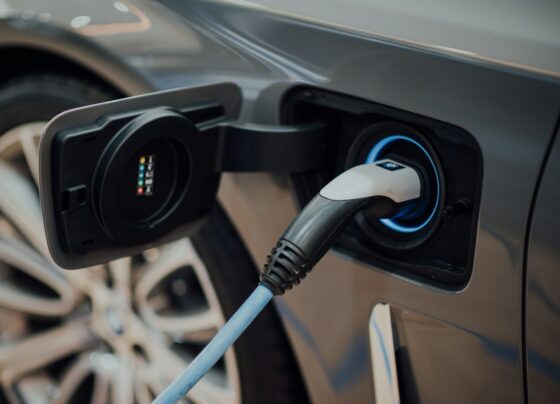
EV Service Contracts: Battery, Motor, and Charging-System Questions
An EV coverage comparison needs more detail than a reference to “electrical systems.” Separate the traction battery, drive equipment, vehicle…
Auto Warranty
October 15, 2026
(0) Comment
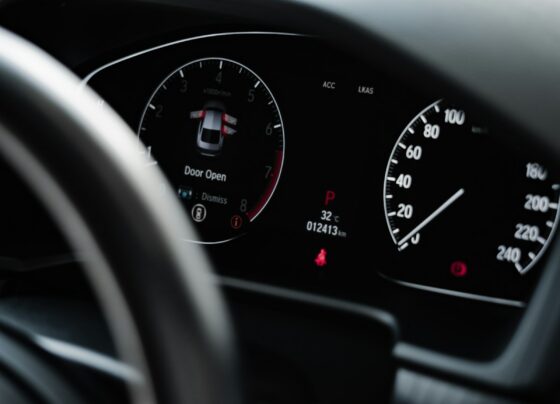
ADAS Cameras and Sensors: Coverage and Calibration Questions
Driver-assistance systems can require specialist assessment and calibration. Coverage of a component and payment for calibration are separate questions to…
1
...
88
89
90
91
92
...
106