Baking soda and baking powder are not equal-spoonful substitutes. Before swapping one for the other, check exactly what the recipe calls for, whether it uses both, and whether the recipe developer provides a tested alternative. A small ingredient can affect more than the height of a bake.
Understand the basic distinction
Baking soda is sodium bicarbonate and needs an acidic partner for its leavening reaction. Baking powder combines a base and acid in a prepared mixture. Double-acting baking powder reacts in stages, including during heating. Those differences are why changing only the name on the measuring spoon is not a dependable substitution method.
Some recipes call for both. Do not assume that is an accidental duplication you should simplify. The recipe can rely on their different roles in the overall formulation.
Check the whole recipe first
Read the ingredient list and method before mixing. Confirm whether the amount is a teaspoon or tablespoon and whether it refers to soda, powder, or both. Check your labeled package rather than identifying a white powder by appearance or taste.
If you discover the missing ingredient early, the most predictable option may be choosing a recipe designed for what you have. If you want to use a substitution, follow a specific, reliable set of instructions for that situation. Adding a guessed amount of lemon juice or increasing a powder at random also changes the recipe.
Avoid turning one adjustment into several
Suppose a recipe calls for baking powder, but your cupboard contains only baking soda. Do not swap the same measured amount and then change the liquid until the batter looks familiar. You would be changing several variables without knowing which result to expect.
Keep a short note of the original recipe, the exact change, and the source of the substitution. Label the result as an adapted attempt if you share it. Do not present an untested change as the original developer’s recipe or a guaranteed equivalent.
Make the next purchase clearer
Store ingredients in clearly labeled containers and retain their product details and use guidance. Before starting a recipe, check that you have the required leaveners in usable condition. A neat unlabeled jar creates a harder problem than a missing item you can identify.
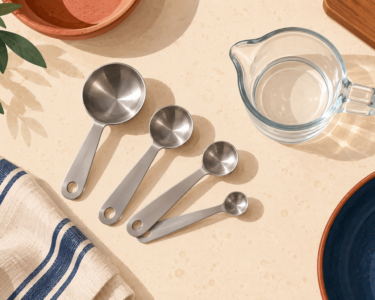
Source checked October 18, 2026: King Arthur Baking’s leavener explanation. For measuring technique rather than substitution, see our flour measurement guide. The photograph is illustrative; no recipe test is claimed.
Photo: Theme Photos / Unsplash. Illustrative stock photograph.