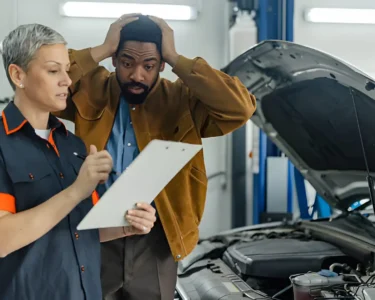
Picture this: You’re cruising down a scenic highway, tunes blasting, feeling like the king or queen of the road. Suddenly… your car sputters. The check engine light starts flashing like it’s having a panic attack. You coast to the shoulder, your phone’s clinging to one measly bar, and the nearest service station? Ha! Who even knows.
Now, I’ve been there. And honestly, the difference between shrugging it off and panicking like crazy often comes down to one thing: your car emergency kit. Yep, that little trunk treasure chest that could save your day, or even your life.
Why Your Car is Begging for an Emergency Kit
Let me tell you something wild: AAA handles nearly 30 million roadside assistance calls every single year. Thirty million! That’s a lot of folks wishing they had just been a little more prepared. Having a car emergency kit isn’t paranoia, it’s just being smart.
There’s something oddly comforting about knowing you can survive a little mishap on your own, without having to wait forever for help. Especially if you’re out in the boonies, or during a sudden storm when every roadside service is slammed. It’s empowering. And hey, the cost of putting together a basic vehicle survival kit is peanuts compared to one emergency tow truck.
The Non-Negotiables: What Must Be in Your Kit
Every roadside emergency kit should start with a few core essentials. These are the items that cover most common scenarios:
Jumper cables: Seriously, they’ve saved me (and many friends) more times than I can count. Invest in quality ones, think sturdy clamps and thick cables. You don’t wanna cheap out when stranded at midnight.
First aid kit: You don’t need an ER in your trunk, but have bandages, antiseptic, gauze, painkillers, and personal meds. Minor scrapes or bumps can get treated immediately instead of turning into a bigger headache.
Tools: You don’t need to be a mobile mechanic, but these basics go a long way:
- Multi-tool with pliers and knife
- Screwdriver set (flathead + Phillips)
- Adjustable wrench
- Duct tape (because duh, it fixes everything temporarily)
- Work gloves
True story: My friend’s battery terminal corroded loose on a road trip once. Without a wrench, we’d have been sitting there for hours. Tools are lifesavers, trust me.
Lighting: LED flashlight with extra batteries or a hand-crank model. Headlamp if you can swing it. And don’t forget reflective triangles or flares, you want other drivers to see you, especially at night.
Tire stuff:
- Tire pressure gauge
- Tire sealant for quick fixes
- Portable inflator (cigarette lighter style)
- Jack and lug wrench (check they fit your car!)
Food & water: At least a gallon of water per person, plus high-energy snacks like protein bars, nuts, or dried fruit. When you’re stranded, being hydrated and fueled makes a massive difference.
Seasonal Surprises: Tailor Your Kit for Weather
Your emergency supplies for car aren’t “set it and forget it.” Seasons demand different prep.
Winter: Brrr… snow and ice are brutal. Add:
- Warm blankets or emergency sleeping bags
- Hand and foot warmers
- Folding shovel
- Ice scraper & snow brush
- Extra winter clothing (hats, gloves, socks)
- Sand or kitty litter for traction
Pro tip: During a sudden blizzard, the blanket I tossed in the trunk “just in case” saved me from turning into a popsicle.
Summer: Heat is sneaky dangerous too. Pack:
- Extra water (trust me, you’ll need it)
- Sunscreen & hats
- Cooling towels
- Battery-powered fan
- Tarp or reflective shade

Tech That Saves the Day
Modern car emergency kits can now include tech to make life way easier:
- Portable charger/power bank: Fully charged, ideally 2–3 full phone charges. Some even jump-start cars!
- Emergency radios: Hand-crank or solar-powered, get NOAA weather alerts, plus USB ports, flashlight, even sirens.
- Offline maps / road atlas: Don’t rely only on GPS, signal disappears sometimes.
- OBD-II scanner: Plugs into your car, reads error codes, helps you troubleshoot minor issues. Saved me from unnecessary trips more than once.
Smart Storage: Make It Easy to Reach
Your car emergency kit won’t help if it’s buried under groceries or gym bags.
- Use a sturdy container or soft-sided bag if space is tight.
- Keep it in the trunk, or under a seat if you drive an SUV.
- Organize with smaller bags or dividers. Label stuff clearly, nothing worse than scrambling for bandages in the dark.
- Check your kit every six months: replace expired items, batteries, seasonal adjustments. Easy reminder? Daylight saving time.
Customize It for Your Life
Off-road adventurers:
- Recovery straps, hi-lift jack, winch, extra fuel/water, satellite communicator
Families:
- Diapers, wipes, formula, child meds, extra clothes, comfort items
Pet owners:
- Pet food & water, leash, pet first aid, comfort toys
Medical conditions:
- Extra meds, medical devices, allergy supplies
Start Simple, Grow Gradually
Don’t feel pressured to build the ultimate kit in one weekend. Start with essentials, then add items over time. Even a basic car safety essentials kit is better than nothing.
The point isn’t to prep for every imaginable disaster, impossible. It’s about having enough resources to handle common situations and stay safe until help comes.
The Road Ahead
This weekend, grab an hour to assess what you have and what’s missing. Get the family involved, it’s surprisingly fun. And next time you hit the open road? You’ll do it with confidence, knowing your car emergency kit has your back.
After all, the road is calling. With your kit, adventure is safe, and the unexpected is just a story you’ll tell later, preferably over coffee.
FAQs About Car Emergency Kits
Q: Do I really need a car emergency kit?
A: Honestly? Yeah, you do. Even a tiny kit can save your butt when your car decides to throw a tantrum in the middle of nowhere. Trust me, I’ve been stuck on a back road with nothing but my phone dying… having a few essentials would’ve made that way less stressful.
Q: How often should I peek at my kit?
A: Hmm… I usually check mine about every six months. Swap out anything expired, test the batteries, maybe swap for seasonal stuff. I like doing it when I change the clocks for daylight saving, easy to remember.
Q: Can I throw some tech stuff in there too?
A: Oh, 100%! Power banks, little OBD-II car scanners, emergency radios, those things are lifesavers. Especially if you’re like me and somehow always run out of phone battery at the worst times.
Q: What’s the bare minimum I should start with?
A: Keep it simple at first: jumper cables, basic first aid, a few tools, flashlight, water, snacks, and maybe something to fix a tire on the go. That’s it. You don’t need to be a mechanic on day one.
Q: Can I make one kit for my family… or even pets?
A: Totally! Just tweak it a bit. Throw in diapers or formula if you’ve got kids. Add pet food and water for your furry friends. Little extra things go a long way in keeping everyone comfortable if you get stuck somewhere.