
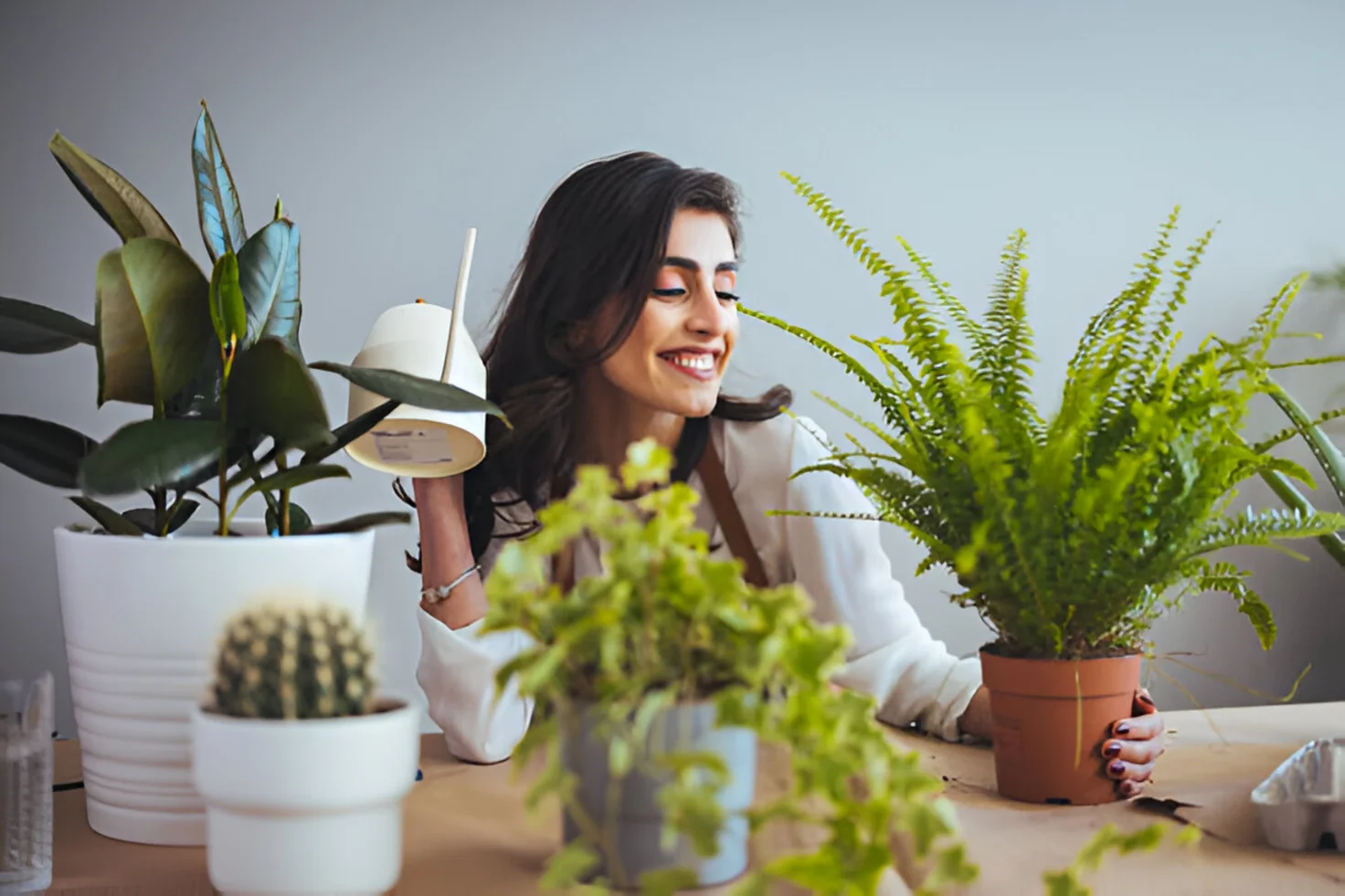
Houseplants can make a room more pleasant, but a few pots are not a reliable way to clean its air. Choose plants for their appearance and care needs. Address smoke, moisture, and pollutant sources separately rather than buying a plant to solve them.
What the air-cleaning claim leaves out
The EPA explains that laboratory findings about chemical removal do not show that a reasonable number of plants removes significant pollution in ordinary homes or offices. Overwatering can also encourage microorganisms in damp soil.
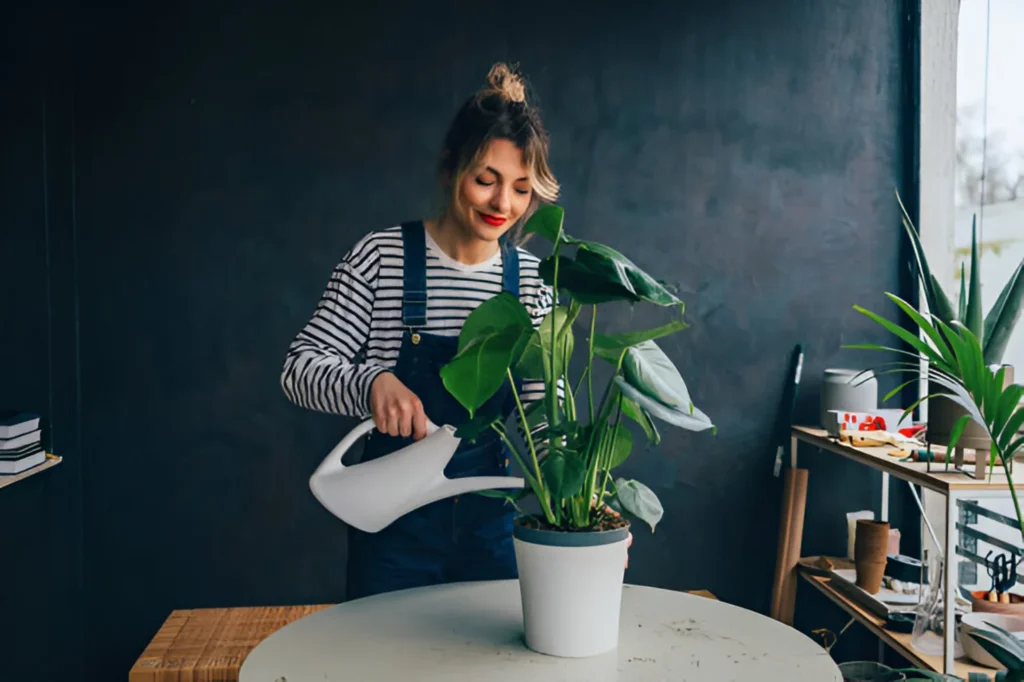
Choose for your room, not a toxin-removal ranking
Before visiting a shop, write down where the plant will stand, the available light, and who can reach it. Ask for the botanical name and the care label. A dark corner and a sunny windowsill are different growing conditions; a claim that a plant is “unkillable” does not replace care instructions.
- Check light requirements against the actual window and season.
- Use a pot and watering method suited to the particular plant.
- Keep water away from electrical outlets and surfaces it could damage.
- Buy one plant first and learn its needs before adding more.
Check pet access before purchase
Common names can be confusing. Use the exact botanical name in the ASPCA plant database. Do not assume every plant marketed as natural is suitable around pets, or that a high shelf prevents an animal reaching it. Ask your veterinarian if you are unsure.
Make a separate indoor-air plan
For air concerns, use our indoor-air checklist. Identify the source of a smell or visible dampness instead of masking it. A plant purchase and an air-quality intervention are separate decisions.
Questions to ask at the plant shop
- What is the exact plant name?
- Does this spot provide the light it needs?
- What signs tell me it needs water?
- Can I keep it safely away from children and animals?
- Where can I find its specific care instructions?
Can a bedroom plant guarantee better sleep?
No. This guide does not claim that a plant improves sleep by increasing bedroom oxygen. Enjoy greenery if it suits your space, but use evidence-based sleep guidance for persistent sleep difficulties.
Editorial correction, October 16, 2026: removed unsupported air-purification, sleep, and personal-experience claims. Existing URL retained so links continue to work.


