Preexisting Conditions in Vehicle Service Contracts: Dates and Evidence The useful answer depends on the specific situation, not a blanket rule. Work through the checks below and consult the applicable contract, product instructions, or official guidance where relevant.
What to check
1. Locate the governing detail
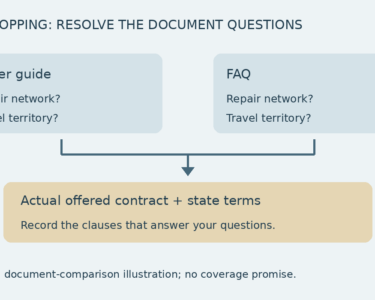
Locate the contract’s definition of a preexisting condition.
2. Check the practical conditions
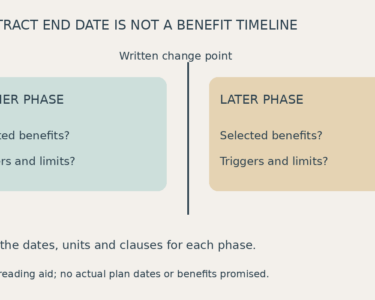
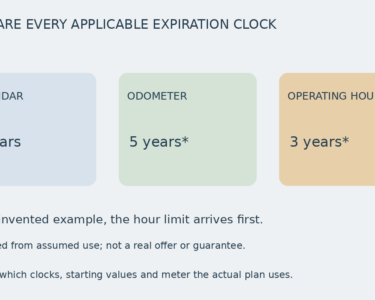
Record purchase date, coverage effective date, and mileage.
3. Gather what you need
Keep inspection and diagnostic reports from before and after enrollment.
4. Confirm before acting
Ask whether symptoms, failure causes, or previously recommended repairs affect eligibility.
5. Keep evidence or review
If denied, request the factual basis and exact exclusion in writing.
Why the distinction matters
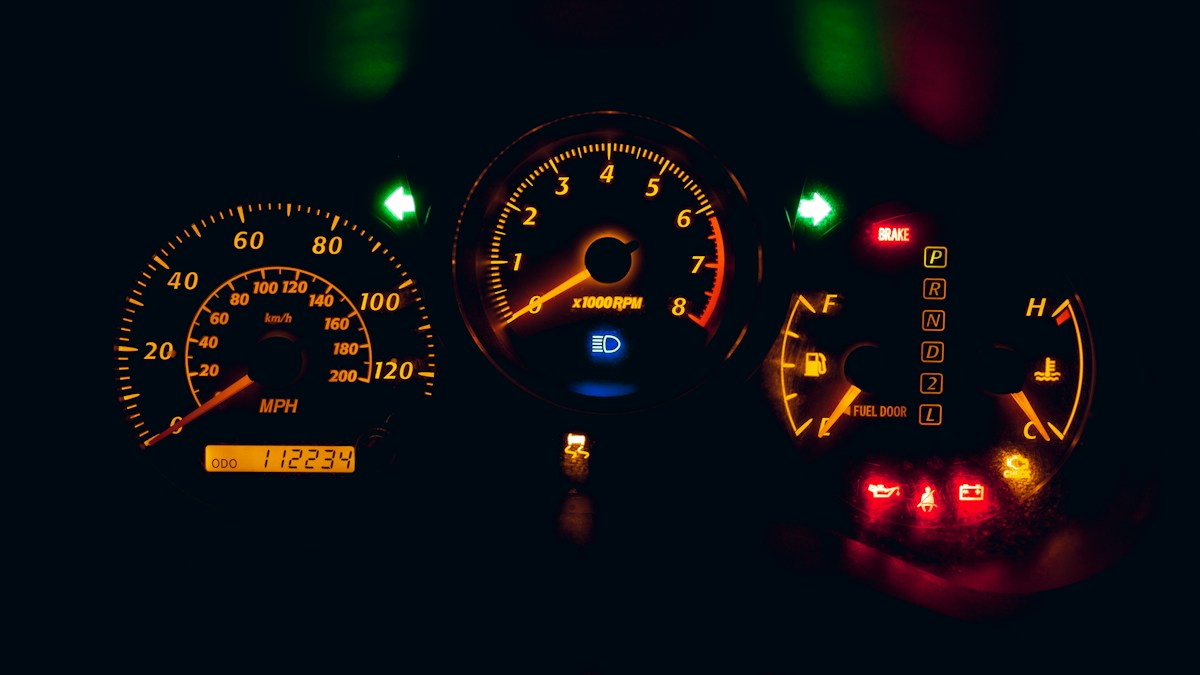
Example: a warning light documented before enrollment may matter even if the component is diagnosed later.
Common mistake
A problem discovered after purchase is not automatically covered; the contract may address when the condition began.
Before you finish
Verify the answer against your actual documentation and circumstances. If there is a financial, safety, or access consequence, record who confirmed the decision, when, and what limits or exceptions apply. This checklist is general information, not a substitute for professional evaluation where needed.