For safely stored frozen leftovers, choose refrigerator thawing when you have time, or an appropriate cold-water or microwave method when you need a faster option. Do not thaw a meal on the counter. Start by checking what the food is, when it was prepared, and whether it was handled safely before freezing.
Check the container before choosing a method
Read the label and examine the packaging. Freezing does not make previously mishandled food safe. If you do not know how long a perishable meal sat out before freezing, do not treat a printed freeze date as proof of safe handling. Keep raw foods separate from ready-to-eat meals and use a clean tray to contain any leaks.
Use the refrigerator for a low-attention option
Move the portion into a refrigerator kept at 40°F or below. Put it in a suitable covered container and allow enough time for its size and thickness; a deep block can take much longer than a shallow portion. Do not promise dinner at a fixed time based on an untested thawing estimate. Check the center before assuming the whole meal has thawed.
Use cold water only when you can supervise it
USDA guidance describes cold-water thawing in a leak-proof package, submerged in cold tap water with the water changed every 30 minutes. Do not use hot water or leave the container unattended for hours. Packaging must prevent water from entering the food. Follow applicable food-specific instructions and proceed promptly to cooking or reheating after this faster method.
Treat microwave thawing as part of reheating
Use a microwave-safe container and the appliance’s instructions. Stir or rearrange food as appropriate because heating may be uneven. For leftover meals, USDA advises continuing the heating process to 165°F as measured with a food thermometer. A warm edge with a frozen middle is not a completed reheating step. Follow any required standing time.
Plan the meal around the method
Choose a smaller labeled portion when time is short rather than trying to rush a large block. Some foods can be reheated from frozen with an appropriate method, but they require additional time and checks. Keep accompaniments simple so your attention can stay on the step that needs monitoring. The thawing method should fit your schedule, not rely on leaving food at room temperature.
Improve the next freezer batch
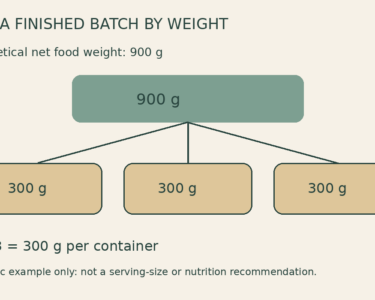
Freeze future meals in usable portions and label the contents and preparation information. Keep the food’s safety history separate from quality preferences, such as a preferred texture after reheating. This guide concerns ordinary household leftovers; follow product instructions or specialist guidance for foods with different requirements. If safe handling is uncertain, choose another meal rather than tasting the food to decide.
Related guide
Continue with freezing soup in portions that are easier to use.
Source and further reading
USDA FSIS: leftovers and food safety. Guidance checked October 16, 2026; interfaces and product instructions may change.
Featured photograph: Ello on Unsplash, used under the Unsplash License. Illustrative stock photo, not a screenshot, product test, or demonstration of every instruction.