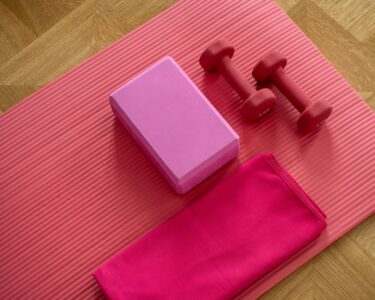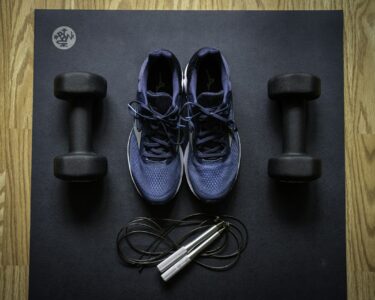

Starting exercise again can be difficult because your memory of old workouts may not match your current capacity. Treat the return as a new beginning: choose easy sessions, leave room for recovery, and increase only after your body handles the current week.
This sample is for generally healthy adults returning after ordinary inactivity. It is not rehabilitation after surgery, injury, pregnancy complications, hospitalization, or significant illness. Get individualized guidance in those situations.
Reset the first goal
The first goal is not to recreate your best workout. It is to finish manageable sessions and repeat them. Federal guidance says inactive adults can start small and gradually build toward 150 minutes of moderate aerobic activity weekly plus strength work on two days. Short bouts count.
Review the Physical Activity Guidelines questions and answers for the start-small approach.
This is general fitness education, not medical care. Use a clear, non-slip area and move only through a comfortable range. Ask a qualified clinician for individual advice if an injury, pregnancy, chronic condition, medication, dizziness, balance problem, or recent illness may affect exercise. Stop for sharp pain, chest pain, faintness, or unusual shortness of breath.
Use the talk test
At moderate effort you can talk but not sing. During these two weeks, much of your activity can be easier. If you cannot say a full sentence, slow down. Compare the session with your recent baseline.
Week 1: make it fit
| Time | Plan |
|---|---|
| Day 1 | 10-minute easy walk |
| Day 2 | Rest or 5-10 minutes of mobility |
| Day 3 | One round of basic strength |
| Day 4 | Rest or easy daily movement |
| Day 5 | 12-15 minute easy walk |
| Day 6 | Optional balance practice |
| Day 7 | Rest and review recovery |
For strength day, choose chair sit-to-stand, wall push-up, supported row, heel raise, and wall plank. One comfortable set is enough. Reduce our beginner strength plan to match your return week.
Week 2: add a little
| Time | Plan |
|---|---|
| Day 8 | 15-minute easy walk |
| Day 9 | Rest or mobility |
| Day 10 | One or two strength rounds |
| Day 11 | Rest |
| Day 12 | 15-20 minute walk with 2-3 quicker one-minute intervals |
| Day 13 | Optional easy balance or core |
| Day 14 | Rest and plan next week |
If week one caused more soreness or fatigue than expected, repeat it. Increase time, pace, repetitions, or frequency – not all four together.
What to expect
- Mild soreness can follow unfamiliar activity; sharp or worsening pain is a reason to stop.
- Breathing may rise sooner than remembered; use a controllable pace.
- Schedule the session instead of waiting for motivation.
- Sleep, illness, heat, stress, and medication can change effort.
Build a restart environment
- Choose exact days and a realistic time.
- Place shoes or a mat where you see them.
- Define a five-minute minimum.
- Track completion and effort, not punishment.
- Prepare an indoor option.
Extend the aerobic side with our four-week walking plan. Add strength with the beginner band routine.
When to increase
Advance when you completed the week with steady technique, normal daily energy, and soreness that did not disrupt ordinary movement. Add five minutes to one or two aerobic sessions or a few repetitions to selected exercises.
When to get advice
- Recent surgery, fracture, infection, or medical event.
- Chest pressure, fainting, severe breathlessness, or irregular heartbeat.
- Pain affecting walking or sleep.
- New weakness, numbness, or balance loss.
- Uncertainty about a condition or medication.
Questions
How many days?
Three planned activity days plus easy movement is enough for many beginners.
Cardio or strength first?
A balanced week includes both. Easy walking is simple to dose, while short strength work restores movement practice.
Missed a day?
Continue with the next suitable session. Do not double the workload.
Photo by Bruno Nascimento on Unsplash.