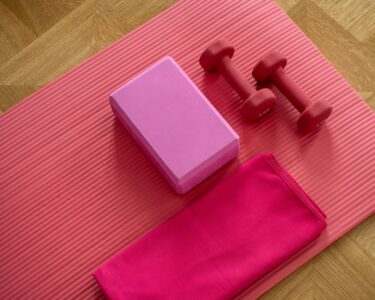
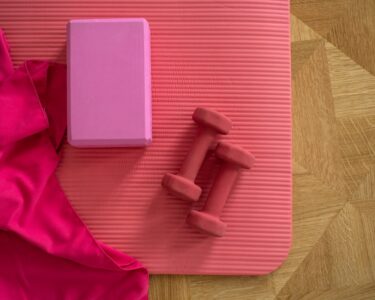
A shared living room can be a workout space only if the planned movements fit safely. Check the floor, surrounding objects, equipment, and other people before starting. You do not need to turn the room into a permanent gym, but you do need a repeatable setup and put-away routine.
Read the routine before clearing space
Identify whether you will stand, lie down, step sideways, or reach overhead. A small standing warm-up and a floor routine need different clearances. Watch or review instructions before starting rather than discovering an unexpected movement while following a video at full pace. Choose another routine if you cannot make the required space available.
Check the whole movement area
Move loose objects, cords, unstable furniture, and trip hazards out of the path. Look above and around you for low lights, shelves, fans, and sharp corners. Do not block an exit or place equipment in a route someone else must use. Keep children and pets safely away from moving equipment and the exercise area.
Choose a dependable surface
Use a dry, stable surface suitable for the activity and the equipment. Check that a mat stays flat and does not slide. Do not balance on cushions or stack loose rugs to make an improvised platform. If the floor or available footwear makes the activity feel insecure, change the setup or choose a different suitable activity.
Inspect supports and equipment
If a routine uses a chair, step, or other support, use the type described in reliable instructions and check its stability. Furniture not designed for exercise may tip, move, or fail. Follow resistance-band and weight equipment instructions, including anchoring requirements; never improvise an anchor merely because a door or shelf looks sturdy.
Place the screen without creating a new hazard
Keep a phone or tablet somewhere you can see or hear it without repeatedly twisting or stepping over cables. Avoid positioning drinks or electronics where they can be knocked onto the exercise area. Set the volume before beginning, and make sure an alert or timer can be noticed without needing to hold the device.
Build the closing check into the session
Warm up appropriately, use a routine suitable for you, and stop if you feel unwell or experience concerning symptoms. Seek medical advice when needed. Afterward, return equipment to safe storage and clear the walkway. A simple setup checklist can reduce avoidable clutter, but it does not make every activity or piece of furniture safe for exercise.
Related guide
Continue with a beginner warm-up before your main routine.
Source and further reading
North Tees and Hartlepool NHS Foundation Trust: exercising safely at home. Guidance checked October 16, 2026; interfaces and product instructions may change.
Featured photograph: Alexandra Tran on Unsplash, used under the Unsplash License. Illustrative stock photo, not a screenshot, product test, or demonstration of every instruction.