
Shopping for one becomes easier when you plan around how many meals you will actually eat at home. Start with existing food, choose a few meals that share ingredients and buy quantities you can use or store safely. A family-sized bargain is not useful if most of it goes uneaten.
Count meals before ingredients
Look at the next several days. Note meals out, late evenings and times you will use leftovers. You might need three home dinners rather than seven. Decide which breakfasts and lunches you regularly enjoy, then avoid buying a full new set of ingredients for every meal.
Choose ingredients that do more than one job
For example, a small bag of carrots could work in a tray bake, a lunch bowl and a snack. Rice could accompany two dinners. Choose the actual amounts based on appetite, recipe portions and storage capacity. These are meal-planning examples, not a prescribed diet or a requirement to eat the same food repeatedly.
Build the list in five groups
Write produce, protein foods, grains or other staples, dairy or alternatives, and pantry extras. Add quantities beside each item. Cross out what you already have before shopping. Keep household supplies on a separate part of the list so you can distinguish a food budget from the total checkout cost.
A flexible example might include a small selection of vegetables, fruit you enjoy, eggs or another preferred protein, beans, rice, bread and ingredients for a simple sauce. Check allergies and dietary requirements. Choose frozen or shelf-stable alternatives where they suit your meals and available space.
Compare the usable cost
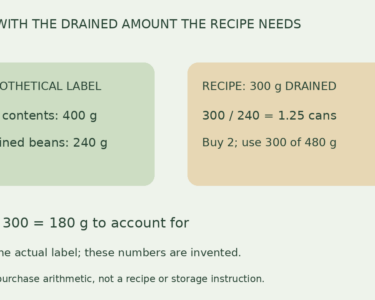
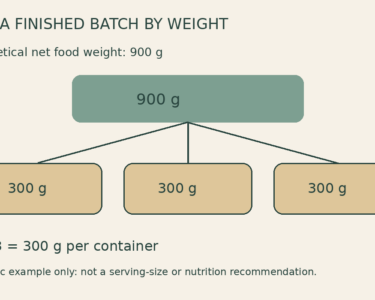
Unit prices help compare package sizes, but only if you can use the food. Consider whether a larger package can be portioned and frozen and whether you have enough freezer space. Avoid buying extra simply to reach a promotion threshold. Write one or two acceptable substitutions so an unavailable ingredient does not force an entirely different shopping trip.
Put groceries away with a plan
Get perishable food into appropriate storage promptly. FoodSafety.gov recommends refrigeration within two hours, or one hour above 90°F (32°C); see its food-safety steps. Follow package instructions and item-specific storage guidance rather than assuming everything lasts until the next weekly shop.
Review what was left
At the end of the week, note what you finished, froze or wasted. Reduce the repeated surplus next time. If one ingredient constantly creates leftovers, choose a smaller package, another recipe or a different ingredient. The goal is a repeatable list built around your life, not the cheapest-looking photograph of a grocery haul.
Start with our pantry inventory guide, then use the fridge organization checklist to keep the purchases visible.
Try an exact-quantity shopping example in our three-day no-microwave lunch plan for one.
Photo: nrd / Unsplash.