Buyer guide · Sources checked October 15, 2026.
For a low-mileage driver, the calendar expiration of an extended warranty can matter more than a high advertised mileage ceiling. Compare how many usable months the plan adds, how long you expect to keep the car and whether existing warranties overlap with the purchase.
Model your own driving pattern
Use recent odometer records to estimate annual mileage. Include expected changes such as retirement, remote work or a new commute. Prepare a modest and a higher-use scenario rather than treating one estimate as certain.
Illustrative example: at 4,000 miles a year, a five-year ownership period adds about 20,000 miles. A quote’s large mileage limit may add little practical value if its time limit expires first. This arithmetic is an ownership scenario, not a coverage or cost forecast.
Find the actual start date
Ask whether the term runs from original in-service date, contract purchase or another event. Ford’s New Ford Protect FAQ explains that its plan clock uses the warranty start date and zero miles. That example shows why headline years should be translated into a calendar expiration.
Write down the date at which each current warranty ends. Then ask which repairs the purchased plan would address during overlap and afterward. Do not simply add the advertised term to today’s date.
Maintenance can also have a time schedule
Consult your vehicle’s correct maintenance instructions and ask the dealer or a qualified shop to explain time-based requirements. Driving fewer miles does not establish permission to ignore every scheduled service.
Keep invoices showing dates, mileage and work performed. If the car is stored for long periods, ask the mechanic about appropriate preparation and recommissioning. Ask the coverage provider how any relevant maintenance obligations are documented.
Compare fit rather than headline mileage
Your worksheet should contain calendar expiration, projected odometer at expiration, existing-coverage overlap, total price, deductible and ownership plans. Compare a shorter suitable agreement, a longer calendar term if available and maintaining a repair reserve.
A plan can have an impressive mileage ceiling and still offer only a short period of useful additional protection for your driving pattern. Decide using the usable coverage window and your ability to meet the agreement’s requirements.
A question to settle before buying
Should I choose the highest mileage ceiling?
Only if it fits the rest of the offer. Compare the calendar deadline, price and coverage details with your expected use.
Related buying guides
Maintenance Records for Warranty Claims: What to Keep
Extended Warranty vs. a Repair Savings Fund: A Comparison Worksheet
Browse all Auto Warranty buying guides
Official sources and document limits
MINI: official protection programs
Published pages and sample forms describe products; they are not a VIN-specific offer. Read the current agreement and state amendments supplied with your quote. No personalized price, purchased-plan test or guaranteed savings is claimed.
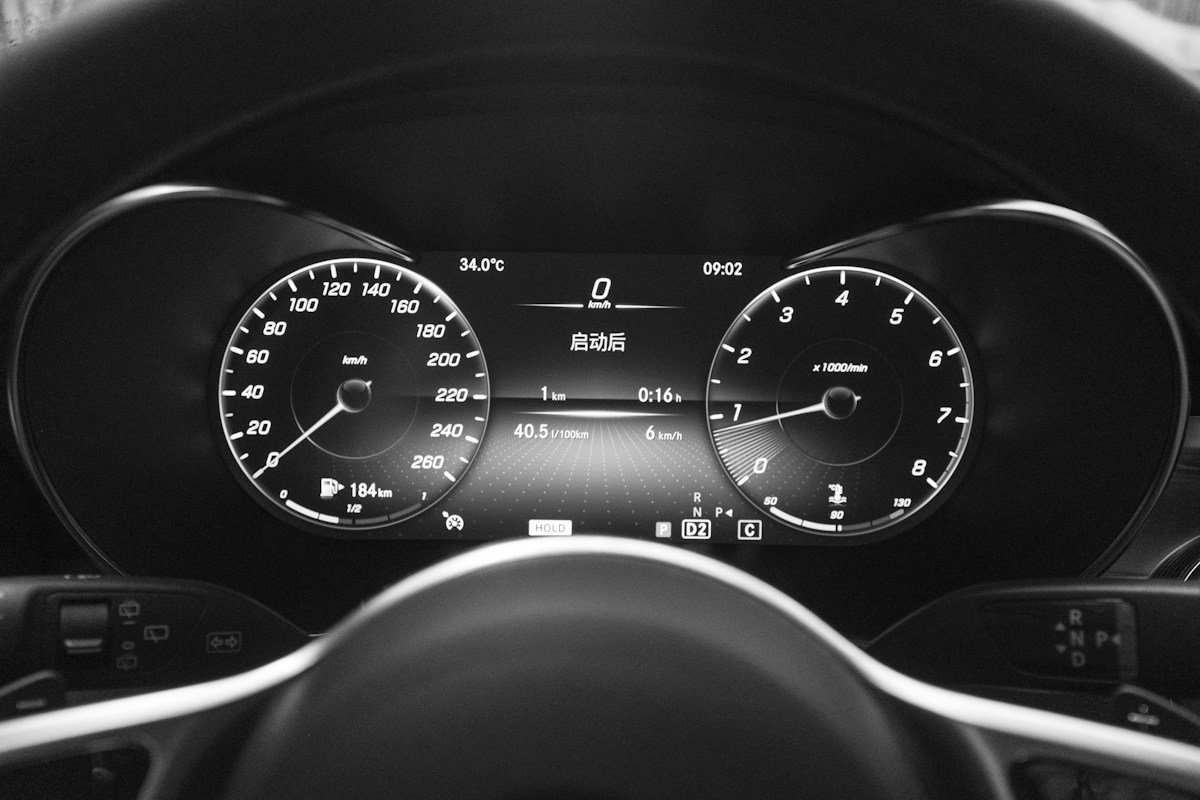
Featured photograph: Unsplash source and photographer. Illustrative stock image; no provider endorsement or statement about the pictured vehicle’s condition is implied.
If the offered product also uses operating hours, add the third expiration-clock worksheet; an odometer-only comparison will not resolve that separate limit.